

“Anybody can pull oil out of the ground. The money’s made by the guy who knows what to do with the ugly barrels.”
— Landman
My Uncle always told me that one of the most misunderstood dynamics in global energy markets is the difference between oil quality — and why it matters more than headline production numbers.
You’ll often hear it framed simply:
Venezuela has “dirty oil”
Saudi Arabia has “clean oil”
That shorthand is directionally right.
But the investable insight lives somewhere else entirely.
If Venezuelan supply ever meaningfully returns, the winners won’t be the companies with access to the oil — they’ll be the companies that can process it, upgrade it, and profit from the dirtiest barrels on earth.
While much of the market rushes to buy any oil stock loosely tied to Venezuela, the real opportunity sits downstream, with the firms that own the refining complexity to handle heavy, high-sulfur crude efficiently.
The goal of this post is to unpack that distinction — to explain why oil quality matters, how it reshapes profitability, and why understanding this difference provides an edge that most investors miss.
Because in energy, knowing what kind of oil you’re dealing with often matters more than knowing how much of it there is.
This is not a drilling story.
It’s a refining-asset and infrastructure story.
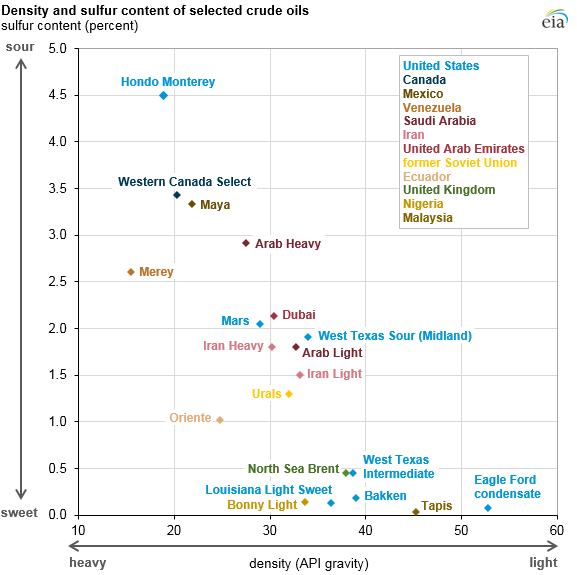
Heavy Sour vs Light Sweet — The Real Divide
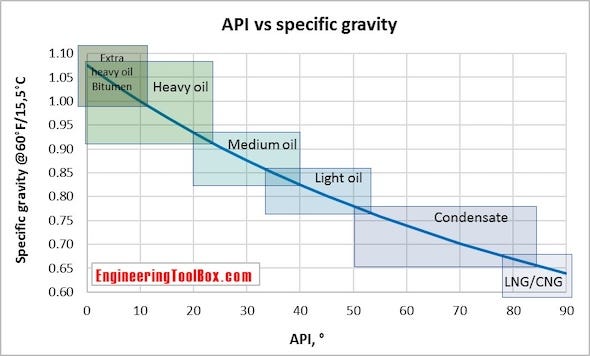
Venezuela’s Orinoco Belt crude is among the most extreme feedstocks globally:
API gravity: as low as ~8° (extremely heavy)
Sulfur: very high (“sour”)
Viscosity: requires dilution just to move through pipelines
By comparison, most Saudi grades are:
Medium to light
Lower sulfur
Far easier to refine into finished fuels
Translation:
Venezuelan crude is cheap for a reason. It only becomes valuable in the hands of companies with deep-conversion refining hardware.
The real question isn’t who owns Venezuelan oil — it’s who can clean it up profitably.
The Companies Best Positioned to Handle Venezuela’s “Dirty” Crude
1. Valero Energy VLO 0.00%↑ — The Gold Standard for Dirty Barrels
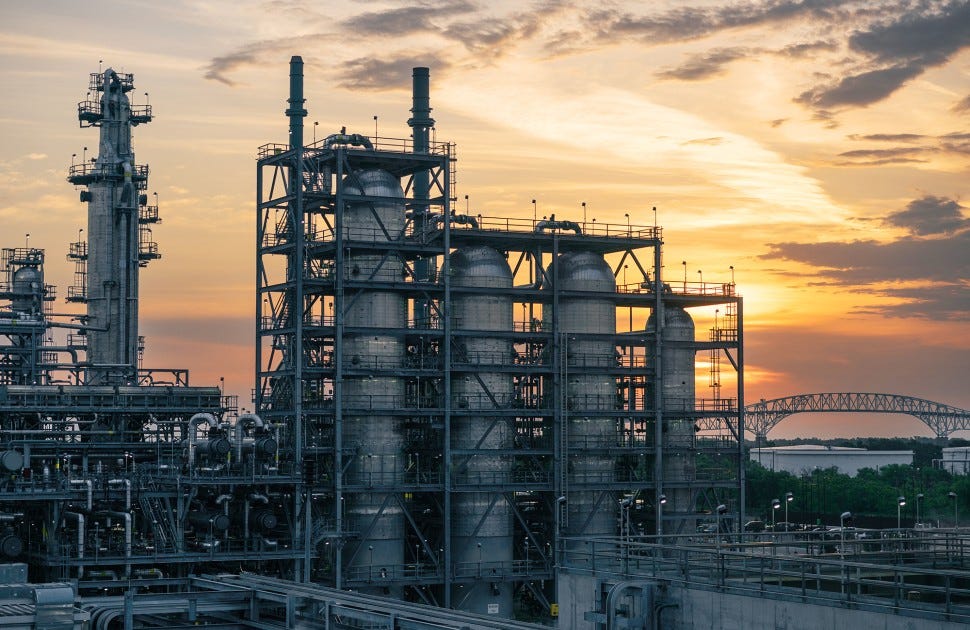
Valero Energy is arguably the most optimized refiner in the world for heavy sour crude.
Operates complex coking refineries across the U.S. Gulf Coast
Facilities in Port Arthur, Corpus Christi, and Houston were explicitly built to process Venezuelan and Mexican heavy oil
Prior to sanctions, Valero imported ~200,000 barrels/day from PDVSA
Why Valero wins:
Coking units crack low-value residue into diesel, jet fuel, and gasoline
Hydrocrackers and hydrotreaters strip sulfur to meet fuel specs
Heavy crude discounts = margin expansion
In plain English:
Valero turns the dirtiest oil into some of the cleanest profits.
2. Chevron CVX 0.00%↑ — End-to-End Control
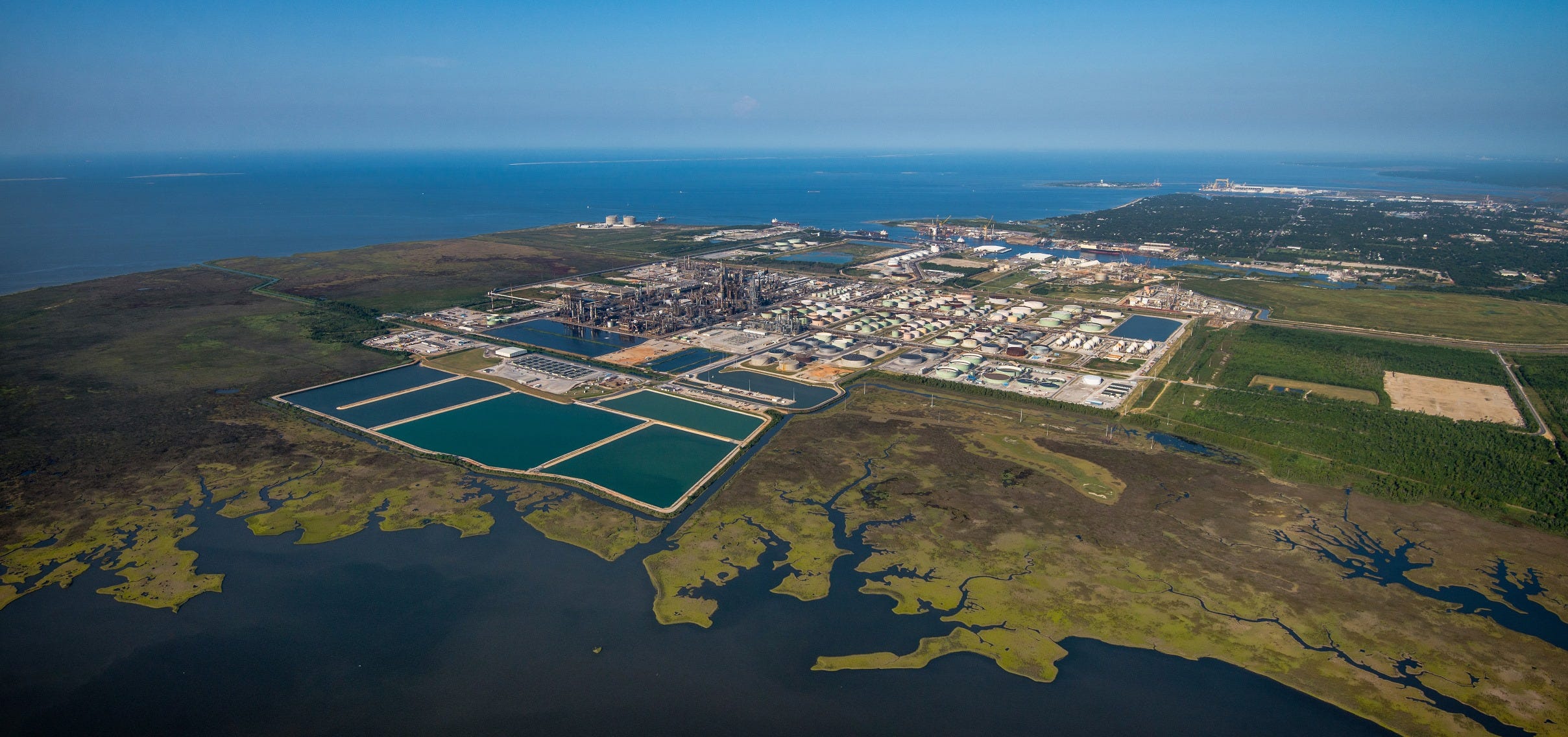
Chevron is uniquely positioned because it doesn’t just refine — it controls the chain.
Co-owns upstream JVs with PDVSA
Historically blended Orinoco crude with diluents for export
Processed barrels through the Pascagoula refinery, which can handle medium-to-heavy grades
Why Chevron matters:
Vertical integration allows pre-treatment before refining
Controls blending, logistics, and downstream placement
Less dependent on third-party refiners
Translation:
Chevron doesn’t just clean the oil — it engineers the barrel from wellhead to fuel tank.
Noteworthy: The company pays an attractive 4.17% annual dividend yield.
3. Marathon Petroleum MPC 0.00%↑ & Phillips 66 PSX 0.00%↑ → Built for This, Waiting on Supply
Marathon Petroleum
Phillips 66
Both companies:
Operate deep-conversion coking refineries
Were originally designed for Venezuelan and Canadian heavy crudes
Switched to Canadian WCS after sanctions
Key point:
The hardware already exists. What’s missing is feedstock access.
If Venezuelan barrels re-enter under coordinated policy, these refiners are immediate beneficiaries.
4. Exxon Mobil XOM 0.00%↑ — The Technology Owner
Exxon Mobil no longer operates in Venezuela — but its fingerprints are everywhere.
Built the Cerro Negro upgrader, effectively a mini-refinery
Pioneer in hydrocracking and resid-conversion technology
Lost assets during 2007 expropriations, but retained the IP
Why Exxon still matters:
Engineering expertise sets the industry standard
Technology can be licensed, replicated, or indirectly monetized
Benefits if heavy-oil processing becomes strategically important again
5. European Exposure: ENI, TotalEnergies, Repsol
ENI
TotalEnergies
Repsol
These firms retain:
Smaller JV stakes
Unpaid receivables from PDVSA
Refineries capable of handling heavy blends after dilution
Constraint:
Logistics, sanctions, and political risk cap near-term upside.
6. Saudi Aramco KSA 0.00%↑ — The Benchmark
Saudi Aramco doesn’t need Venezuelan oil — but it could process it!
Motiva Port Arthur refinery is one of the most complex in the world
Massive hydrotreating and desulfurization capacity
Originally designed with heavy-crude flexibility in mind
This highlights the truth: complexity beats purity in refining.
Bottom Line
Valero VLO 0.00%↑ and Chevron CVX 0.00%↑ are the clear front-runners.
Valero: best downstream hardware on earth for dirty oil
Chevron: end-to-end control from wellhead to refinery
Marathon, Phillips 66, and Exxon benefit if trade normalization resumes — they already own the steel and the science.
European exposure exists, but it’s secondary.
Strategic Implication
If Venezuelan heavy crude re-enters global markets under U.S. coordination, the winners are not producers.
They are:
Complex refiners
Integrated majors
Owners of coking and hydroprocessing capacity
This is a refining-asset trade — not a production-volume trade.
And that distinction is where the edge lives.
Disclaimer: For informational and educational purposes only, not investment advice or a recommendation to buy or sell any securities.