

Most people think trading edge comes from prediction.
Convexity is the opposite.
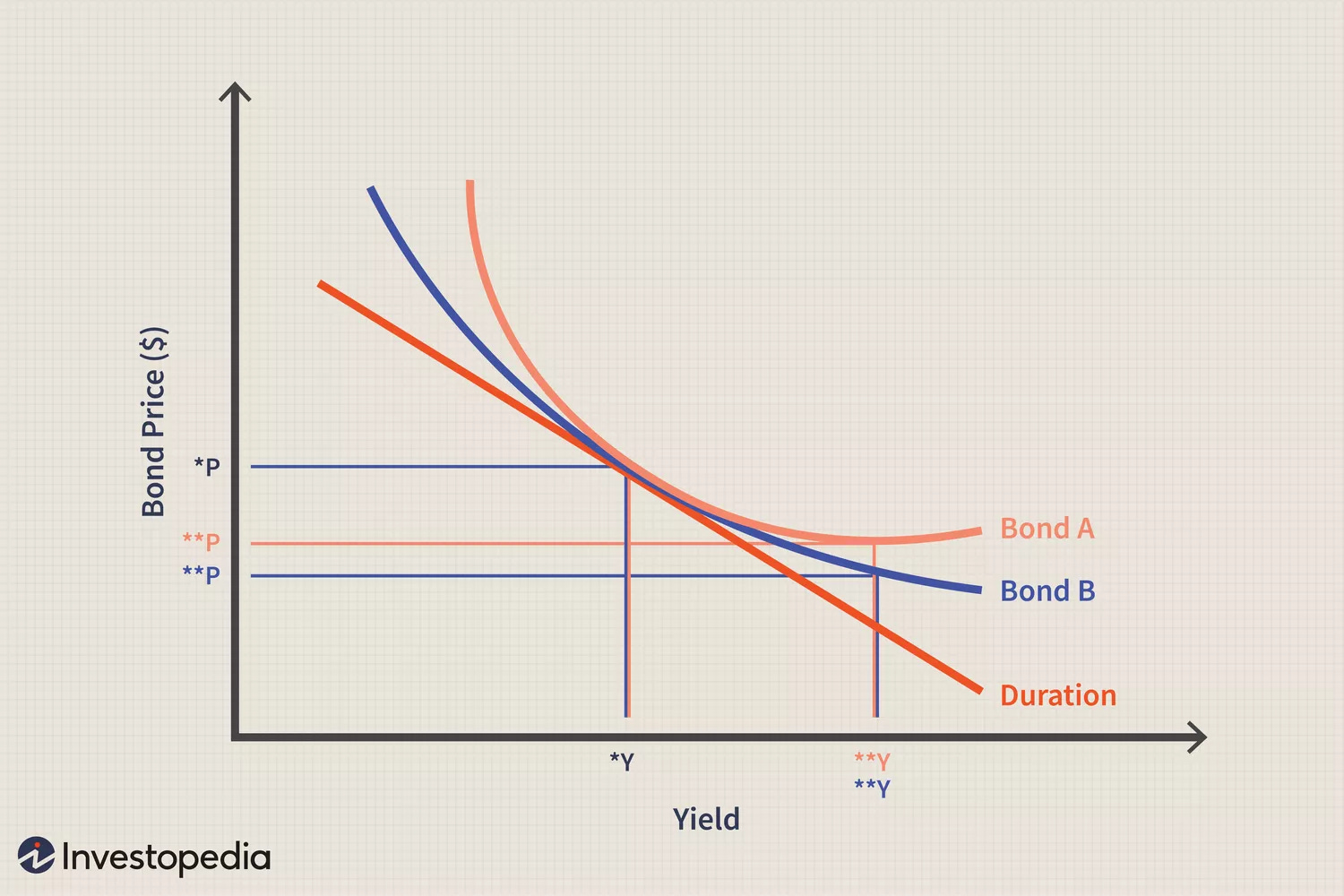
Convexity is what happens when you don’t need to be right often—you just need to be positioned correctly when the outlier arrives. Your edge isn’t accuracy… it’s payoff shape.
That’s why the “Convexity Team” exists.
This is the unit inside the publication where we study:
Volatility regime shifts
Skew and tail probabilities
Gamma traps and crowding
High-payoff asymmetry
Stress-testing real strategies under uncertainty
And today’s post is the perfect embodiment of this: a complete research memo on the TSLA All-Time High Breakout Strategy—a strategy that behaves more like an options trade than a stock trade.
1. The Intuition: The Coin Flip With Uneven Payouts
Imagine a coin:
Heads: you lose 5%
Tails: you make +70%, +200%, +500%… sometimes +900%
You would flip that coin forever.
That’s convexity.
Small, controlled cost → lottery-like upside.
TSLA behaves like that coin.
Its return distribution is not normal. It’s power-law, meaning the big moves—those 5–10 trades over a decade—drive almost all the returns.
Your job is not to predict which trade will be the monster.
Your job is to stay in the game long enough to catch one.
2. Why $TSLA ATH Breakouts Are a Convexity Structure
Buying All-Time Highs sounds dumb if you think about “value.”
It sounds genius if you think about flow, crowding, and regime shifts.
