

Understanding volatility can feel intimidating — but it doesn’t have to be.
This week, Citadel Securities released two short research pieces
(Modeling the Retail Sell Inflection Point & Deleveraging) that highlight something every trader (from beginner → advanced) should understand:
Who is buying and selling matters just as much as price.
Two groups in particular move markets:
Retail investors (everyday investors)
Systematic strategies (computer-driven funds that adjust risk automatically)
How these two groups behave helps determine:
how volatile the market becomes
how long volatility lasts
and where the opportunities are for traders
Let’s walk through both concepts in simple language.
1. Retail Investors Are Selling More — And That Matters
Citadel’s first article explains that retail investors — the “everyday traders” using Robinhood, Schwab, Fidelity, etc. — have flipped from buying stocks → selling stocks.
Why this matters:
✔ Retail investors are one of the largest sources of buying power in the U.S. stock market.
When they’re buying, they add stability.
When they’re selling, they remove support.
✔ When retail sells aggressively, markets often become more volatile.
Think of retail buying as a “cushion.”
When the cushion disappears, the market feels harder shocks.
But here’s the important part:
Citadel says retail selling is close to an exhaustion point.
This means:
selling pressure is slowing
it’s no longer accelerating
markets often stabilize soon after this point
For beginners:
→ Selling slowing down is often more important than selling stopping.
When the worst is behind, volatility usually peaks and starts to cool off.
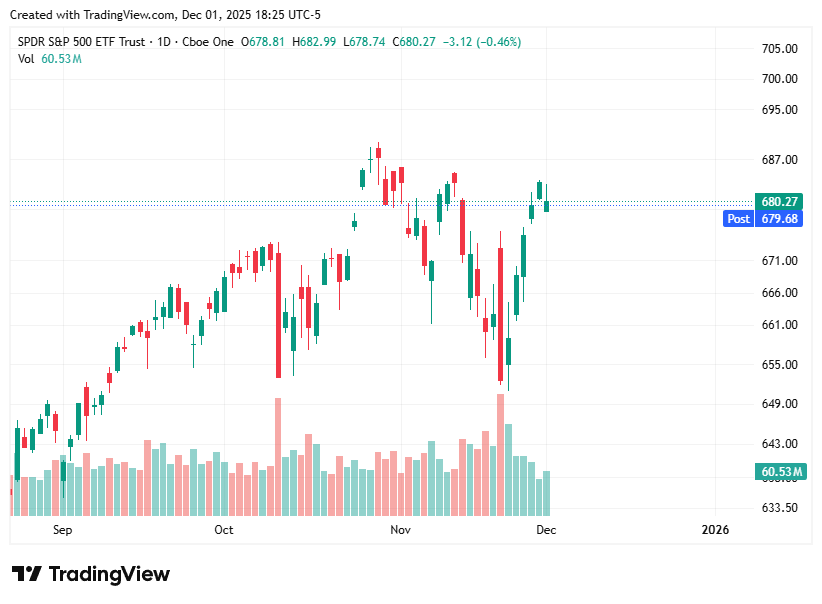
2. Systematic Funds Are Deleveraging — And Doing It Early
The second article focuses on systematic strategies, which are funds that follow strict rules:
increase exposure when markets are calm
reduce exposure (“deleveraging”) when volatility rises
Think of them as smart cruise-control systems for investing.
Citadel’s key point:
These systematic funds already started reducing risk before the recent volatility spike.
That’s important because it means:
the market is actually holding less risk than people assume
there is less fuel for a massive selloff
volatility spikes may be sharp but short-lived
For beginners:
→ When systematic funds already cut risk, it reduces the chance of a cascading meltdown.
This environment tends to create volatility that pops higher but fades quickly.
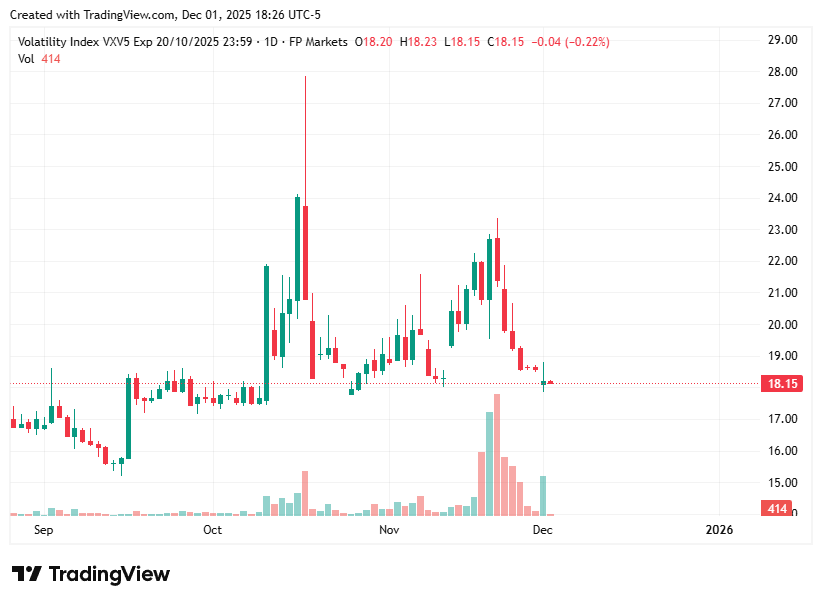
3. Putting the Two Together: What This Means for Volatility
When you combine these two forces:
(A) Retail selling is slowing
→ Market becomes more stable
→ Volatility tends to peak and then cool
(B) Systematic funds already reduced risk
→ Less forced selling left
→ Lower odds of a multi-day crash
→ Vol spikes fade faster
This creates a regime that is extremely important to understand:
High volatility… but with lower real tail-risk.
(“Tails” = the probability of a huge crash.)
For beginners:
→ This is exactly the environment where options can become mispriced.
4. The Practical Takeaways (Beginner → Intermediate Level)
Given the backdrop from Citadel:
1. Volatility is likely elevated compared to actual risk.
This usually leads to:
IV (implied volatility) being high
Options being more expensive than they “should” be
Good opportunities for options spreads instead of outright options
2. Call-side setups become more attractive.
If volatility cools and selling slows:
Markets often drift upward
Call options or call spreads have a better risk/reward
3. Put spreads become smarter than naked puts.
In elevated volatility:
Buying a plain put is costly
Put spreads offer similar protection but cheaper
4. Short-term trades (24–72 hours) become cleaner.
Because:
Intraday volatility is high
But risk of a huge crash is low
Making day-trading or gamma scalping more attractive for active traders
5. TL;DR for Novice Investors
Here’s the simplest possible version:
✔ Retail investors have been selling
But that selling may be almost finished.
This usually means markets stabilize.
✔ Big computer-driven funds already reduced their risk
So they are unlikely to trigger a large crash now.
✔ Volatility is high — but real risk is lower
That usually means:
Options are expensive
Market is set up for a grind higher
Call spreads and selective long-call trades look attractive
Pure bearish bets have high cost and low payoff odds
This is one of those environments where understanding flows matters more than headlines.
Final Word — Why This Matters for the Convexity Team
Unit 2 is about reading volatility the way professionals do.
The Citadel research shows a classic pattern:
Retail panic slows
Systematic funds are already defensive
Volatility spikes without follow-through
Opportunities open in the options market
For beginners:
→ This is how advanced traders find edges — not by predicting headlines, but by understanding the plumbing beneath the market.
This week, the plumbing is telling a clear story:
The worst pressure may be behind us, but volatility is still overpriced.
That creates asymmetric opportunities.
Welcome to the Convexity Team.